

BEYOND LIMITS brought 12 Polish fashion and jewellery designers to London Fashion Week
BEYOND LIMITS brought twelve Polish fashion and jewellery designers to London from 19 to 21 September 2026 as part of the official Fashion Scout London Fashion Week programme. The three-day project presented eight fashion designers and four jewellery designers, placing contemporary Polish craft, cultural identity and experimental design within an international setting.
Rather than following a single visual direction, the showcase brought together practices spanning sculptural fashion, corsetry, menswear, recycled materials, goldsmithing and wearable art. The project opened with a drinks reception on 19 September and continued across three days of presentations.
GQ Poland served as the exclusive media partner, while the project was organised by the Creative Industries Institute (IPK).



Polish fashion moves between heritage and experimentation
Hubert Pelc, a graduate of the Department of Fashion at the Academy of Fine Arts in Warsaw, approaches clothing as a form of artistic expression. His work examines identity and belonging through the relationship between tradition and experimentation.
Martyna Konieczny, the designer behind independent label No Przesada, also works with Polish cultural references. A graduate of the Academy of Fine Arts in Łódź, she draws on folklore and transforms traditional motifs into unconventional contemporary forms.
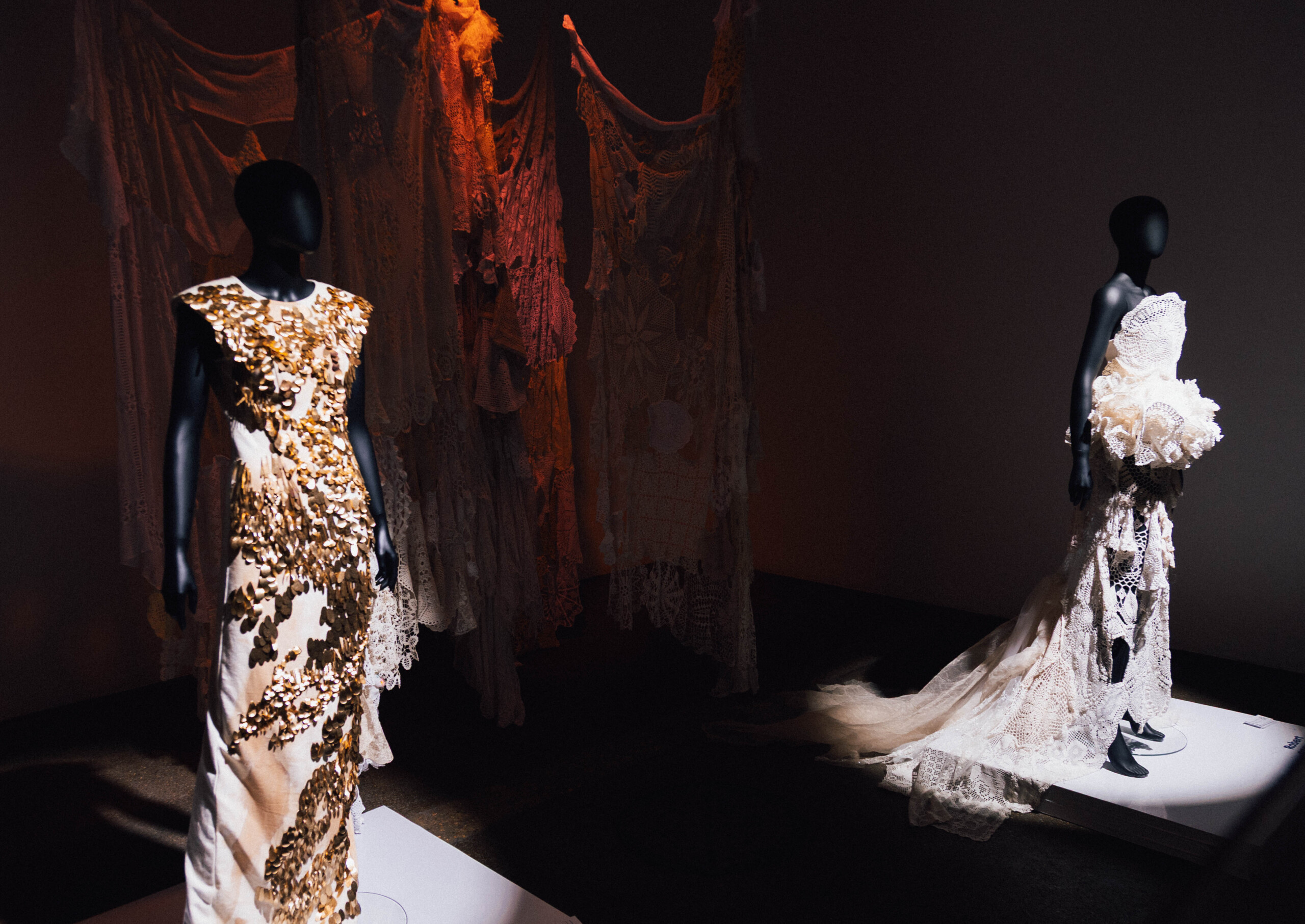
Robert Czerwik takes a different approach, building collections around detailed construction and stories of strong women throughout history.
RAD DUET places Polish culture, identity and craftsmanship at the centre of its practice. The brand’s work is also represented in permanent museum collections in Poland, connecting its contemporary output with a broader cultural context.
Katarzyna Konieczka works between fashion and wearable art. Sculptural silhouettes, contemporary corsetry and architectural headpieces define a practice that pushes clothing towards object and performance.
Michał Szulc focuses on leather, translating the material into a contemporary streetwear language. His work also incorporates deadstock fabrics, using existing materials as part of a more conscious approach to production.
KARDASJAN examines sensuality, masculinity and the body. The label uses a provocative visual language to question conventional ideas around menswear and male presentation.
Tomasz Armada also looks to Polish culture and national identity, but frequently works through recycled materials. His designs reconsider ideas of tradition and value, turning familiar cultural codes into more critical contemporary narratives.


Jewellery becomes sculpture, memory and performance
Four jewellery designers extended the BEYOND LIMITS programme beyond clothing.
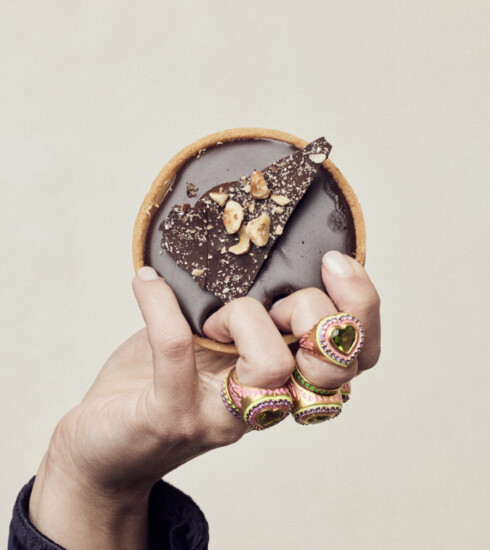
Radek Anais Laró works between jewellery, sculpture, contemporary art and performance. Traditional goldsmithing techniques are combined with experimental methods to create one-of-a-kind pieces that move beyond conventional jewellery categories.
Rzucidło reinterprets tribal and ethnic jewellery traditions through a contemporary perspective. Music and subculture play an important role in the brand’s visual language, bringing historical references into dialogue with modern identity.
Anna Samków creates small personalised objects using precious metals, gemstones and organic materials. Irregular textures, raw surfaces and unexpected forms give the jewellery an intentionally individual character.
Stettin Jewellery, founded by Polish-Australian duo Patrycja Bołzan and Karlo Szczepaniak, combines traditional goldsmithing with experimentation. Their bespoke pieces are handcrafted in the designers’ own studio.
A wider international platform for Polish design
The BEYOND LIMITS project used London Fashion Week as a meeting point for different generations and disciplines within contemporary Polish design.
Across fashion and jewellery, the participating designers approached heritage in different ways. Some worked directly with folklore, cultural symbols or traditional craftsmanship, while others used recycled materials, sculptural construction or contemporary streetwear to question what national identity can mean today.
The diversity of the programme was central to its structure. Corsetry appeared alongside menswear, deadstock materials alongside goldsmithing, and museum-represented design alongside independent labels and experimental jewellery.
By presenting twelve designers together, BEYOND LIMITS offered a broader picture of Polish fashion and design rather than promoting a single national aesthetic. The project positioned craftsmanship, individuality and cultural memory as active materials for contemporary creative practice.